
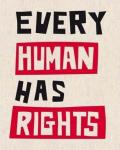
Human rights are rights people have because they are human. They include freedom of belief and expression, protection from violence, and access to education and an adequate standard of living. The Universal Declaration of Human Rights sets out a shared foundation for these rights.
Why it matters
Rights are connected. A person who cannot attend school may also face barriers to work and public life. Discrimination, conflict and abuse of power can prevent people from enjoying rights that exist on paper. Governments have responsibilities to protect rights, while communities can challenge unfair treatment and hold leaders accountable.
Take action
Learn how a rights issue affects people in your community before deciding how to help. Listen to their experiences and avoid speaking for them. You could support an accessible school policy, challenge discrimination or use our Guide to Action to plan a project with others.
To deny people their human rights is to challenge their very humanity.