

Media includes news, films, music, advertising, podcasts and social posts. It helps us share ideas, express our identities and learn about events beyond our own lives. The choices behind a story—what gets covered, who speaks and what is left out—can shape how we see an issue.
Why it matters
Media literacy means thinking carefully about those choices. Ask who created a message, what evidence supports it and whether money or political interests might influence it. Compare sources and look for voices that are missing. UNESCO’s media literacy resources and research from the Norman Lear Center offer places to explore these questions.
Take action
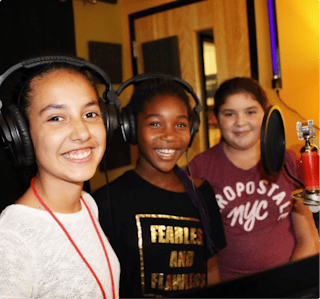
You can also help shape the conversation. Create a school podcast, interview people in your community or share a story that deserves more attention. Check facts, credit your sources and ask permission before sharing someone else’s words or images.
Whoever controls the media, controls the mind