


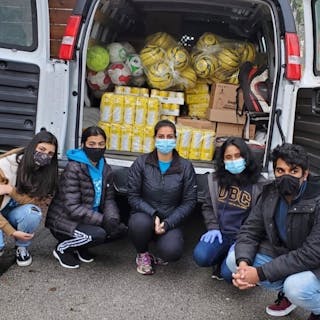
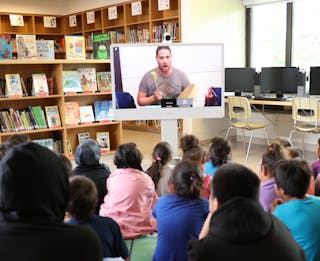

Digital access involves more than owning a device. People also need reliable internet at a price they can afford. They need useful content and the skills to use it. A shared phone or a weak connection may not be enough to complete schoolwork, apply for a job or use an essential service.
Why it matters
Barriers can relate to income, location, language, age or disability. They exist within wealthy countries as well as between countries. The International Telecommunication Union’s digital development research examines these gaps. Solutions need to fit local needs. One device or service will not work for everyone.
Take action
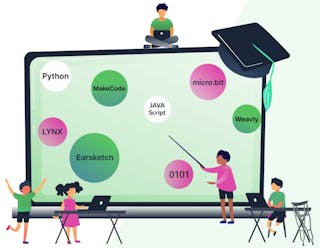
Ask how people in your community get online and what makes it difficult. You could support device lending, accessible learning materials or public internet access. Explore educational technology to see how schools can use digital tools. Learning must remain open to students who cannot use them.