

Indigenous · Truth And Reconciliation · Reconciliation
Orange Shirt Day at Connected North
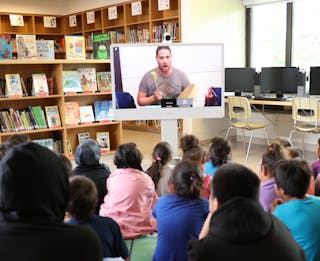
This year, Connected North marked Orange Shirt Day with two powerful events featuring Indigenous authors who shared their stories and inspired students across the country. Classrooms joined live sessions to listen, ask questions, and take part in reflective activities centered on truth, learning, and reconciliation.
Learning and Listening with Auntie Eileen and Author Wanda John-Kehewin
The first event was hosted by Lily Aniwaya from the Connected North team, who introduced Elder in Residence, Auntie Eileen Beaver, joining from Fort Smith, Northwest Territories. As a residential school survivor, Auntie Eileen shared the significance of Orange Shirt Day and spoke about her personal residential school experiences. She emphasized the importance of understanding the past and speaking up about injustices.
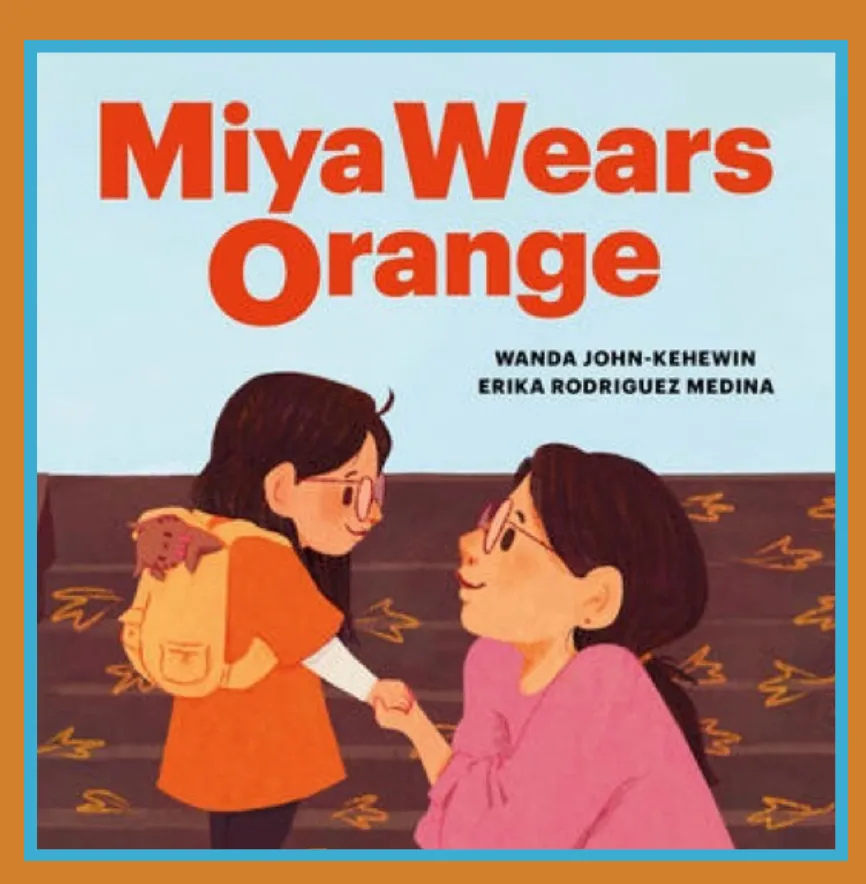
Lily also welcomed author Wanda John-Kehewin, who read from her touching children’s book Miya Wears Orange. The story is based on a conversation with her daughter, who was learning about residential schools in grade one and was worried that she might have to attend one herself. Wanda gently reassured her daughter that all residential schools had closed. She explained that wearing orange on September 30 is a way to remember the children who never returned home and to ensure such harm never happens again.
After the reading, students engaged in a creative writing activity, crafting “list poems” about their favorite places. They shared their poems, celebrating what makes those places meaningful to them.
To close, Auntie Eileen spoke about the significance of hair and the importance of boys wearing braids. She explained the different medicines used for smudging, why honesty and humility matter, and the importance of caring for our elders. She also emphasized the value of family, community, sharing, and self-care. Auntie Eileen encouraged students to practice kindness, love, and compassion, and to carry forward a message of Reconciliation. She urged them to dream big, work toward their goals, be good to others, and finish school.
Stories of Resilience with Author Kim Spencer
The second session, hosted by Michael Solomon, featured author Kim Spencer, who wrote the book Weird Rules to Follow. This historical fiction novel is set in the 1980s, when Kim was in grade five. She reflected on how residential schools were rarely discussed during her youth and how language and attitudes toward Indigenous peoples have evolved over time.
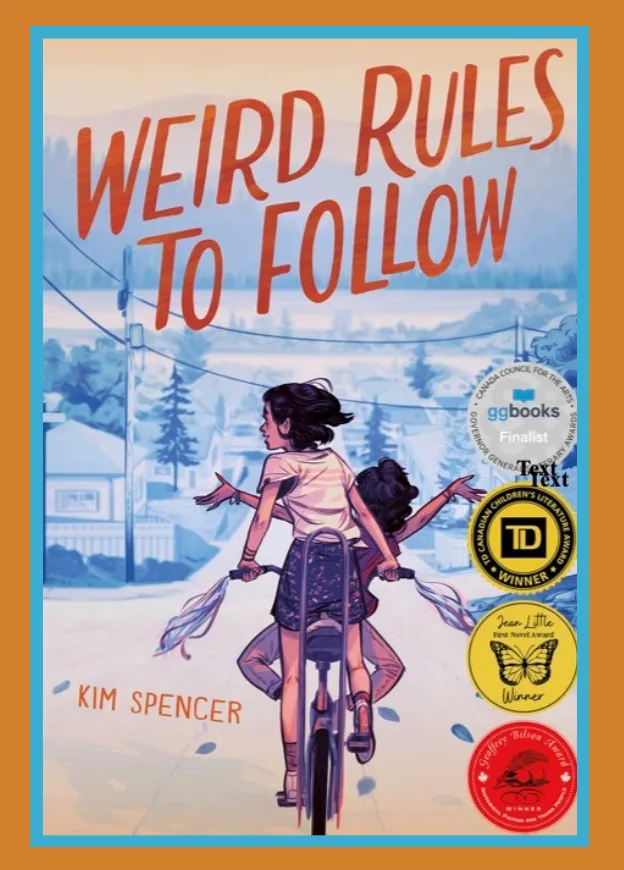
Kim read stories from her book that touched on themes of shame, resilience, and identity sparking meaningful discussion among students. Her stories also explored the challenging social histories of some Indigenous characters, who struggled with domestic violence, addictions, and poverty. Kim reminded everyone that while many Indigenous families experienced hardship, others found strength in their traditions and communities which is a testament to enduring resilience. Students also had an opportunity to ask the author questions.
Kim celebrated the success of her debut novel, which has received fifteen award nominations, won five, and has even been published in German. She also gave a preview of her upcoming sequel, I Won’t Feel This Way Forever. Kim emphasized the importance of Indigenous representation in literature, allyship, and honest dialogue, encouraging educators and students alike to keep learning, speaking up, and telling stories that matter. She also shared her writing journey, her experiences being published, and how she once used to pretend to be a newspaper columnist.
Reflecting and Moving Forward Together
Connected North was honored to host these inspiring voices like Auntie Eileen, Wanda John-Kehewin, and Kim Spencer. Through these sessions, students had the chance to reflect on history, celebrate resilience, and connect with Indigenous role models. By remembering the past and engaging in conversations about reconciliation, Connected North continues to support students in building empathy, understanding, and hope for a more inclusive future.