

Mental Health · Wellness · Wellbeing
Mental Health Matters — Connected North Connects on Wellness
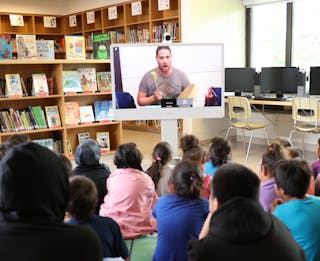
Mental health doesn’t have to be a taboo topic, so Indigenous role models Kayla Rosteski-Merasty and Jasmyn Albert got together for an important conversation about the topic as part of a Connected North premium session. These sessions bring unique experiences to Connected North classrooms and provide opportunities to engage about issues that matter.
One of the key messages Albert and Rosteski-Merasty share with the students in attendance is that when you feel like you might be alone struggling with mental health challenges, there are more people than you know who understand that experience. In sharing their perspectives, the hosts show they understand the shame of not feeling positive and how helpful it can be to learn about the intergenerational impacts of Indigenous social history as context to some of the feelings they might be experiencing.
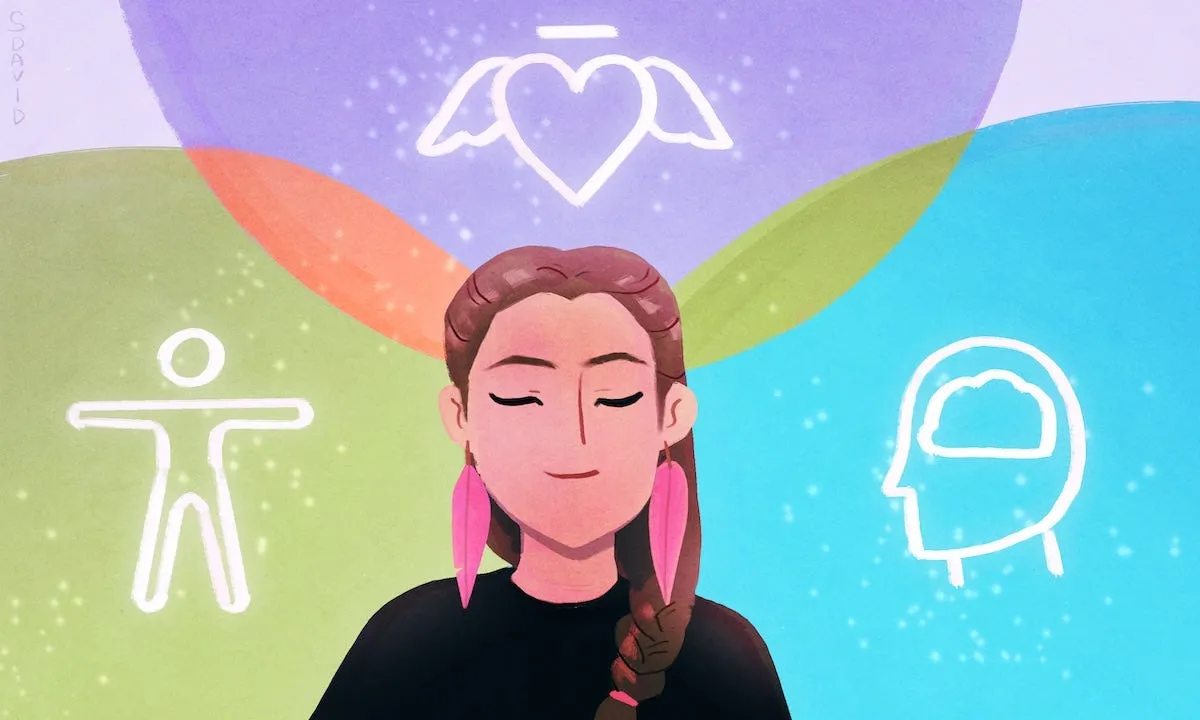
Rosteski-Merasty shared openly about the challenges that come from experiencing domestic violence, having to lie about her circumstances and the feeling of lack that came from too small school lunches and not enough money for extracurricular activities. As a teen mom, she felt isolated and like she didn’t fit in. When she found “her people” — a circle of supportive friends, it was less lonely. She taught students to let people know if they want to just vent or if they are looking for solutions so their friends know how to help them and encouraged them not to fall into the trap of thinking “retail therapy” and shopping will solve everything.

In a relatable way, the duo shared about life growing up as a teen when cell service and text message limits applied. They laugh about shared Indigenous family kitchen traditions of margarine containers for leftovers as they talk about how helpful it is to build a “mental health toolbox”. That toolbox was smaller in high school for Rosteski-Merasty, with a guidance counsellor and teacher to talk to.
Now, she’s proactive about hydrating, feeding her body well and moving it often, going to talk therapy, and participating in sound baths and sound healing. She confides about her previous diagnosis of depression and her experiences troubleshooting anxiety and neglecting herself when caregiving. Beading helps Rosteski-Merasty distract herself from “brain chatter”, drowning it out with art, creativity and singing.

Albert shares with youth that talking about mental health openly lets people help us and how understanding other people helps us understand ourselves. While relating to youth about the struggles of social isolation, she encourages them that we can create a community from where we are.
Thinking about cultural wisdom around mental wellness, they discuss how sometimes the teachings we receive have more meaning later. They talk about how we are humans and spirits, and that we need to let our spirits have human experiences by feeling our emotions and not holding them in and letting our bodies make their way through our feelings.
Pushing back against toxic positivity, the message students are given is that it’s okay to be sad but to not hurt themselves or others when sad. Part of that good self-care is asking if people who we want to share with have the emotional capacity to listen and to honour our capacity when people want to share with us.
In breaking down self-blame, there’s a discussion about how intergenerational trauma can start in the womb and to have self-compassion, leaving room for making mistakes. The idea that physical health challenges can have mental health impacts is introduced along with the concept that mental health needs ongoing maintenance.
Participants in the session shared some of their coping strategies and ways of healing within the school community. The value of weekly wellness time was celebrated and the session inspired reflection on ways students could find ways to take care of themselves. Releasing taboo and stigma, Connected North students were encouraged to talk, think and learn about mental wellness so they can move forward together in a good way and support each other, too.
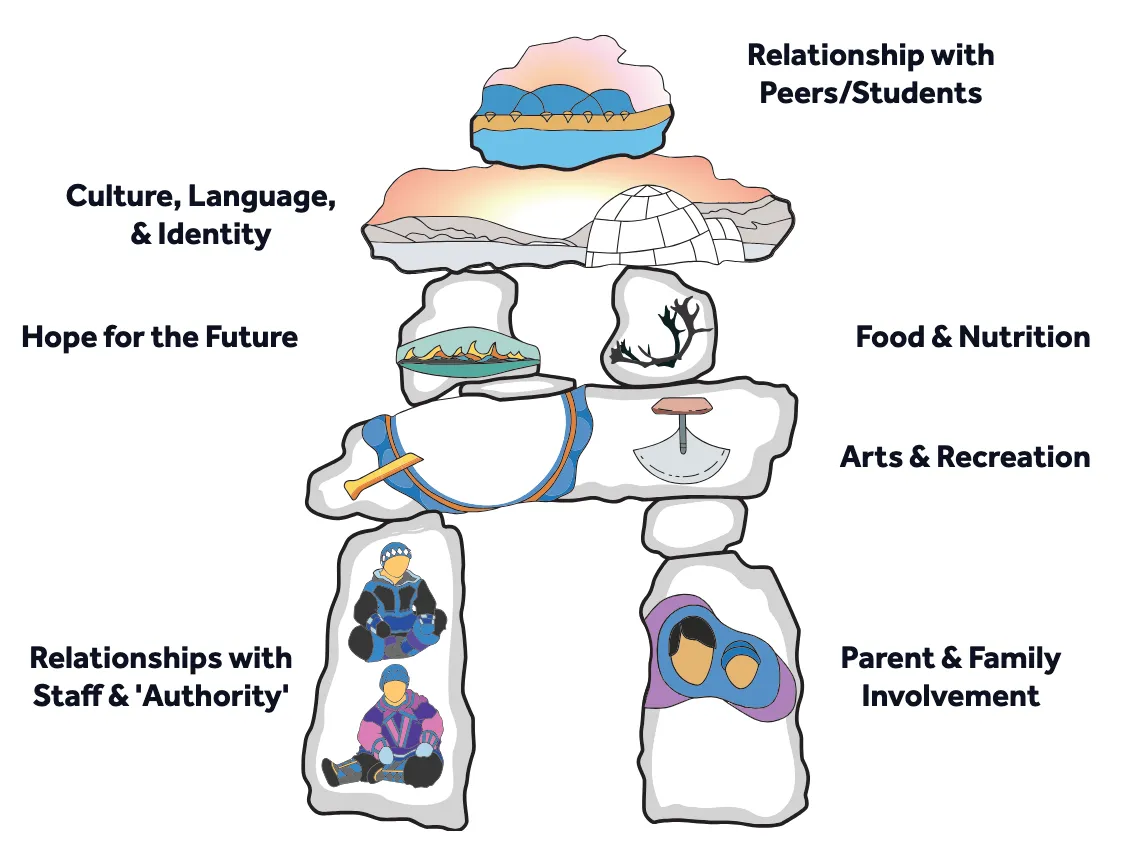
Connected North premium sessions like these are an expression of the Well-Being Framework central to the program. Rooted in relationships, contributing to hope for the future, the wellness of Connected North school communities is an important need addressed by this innovative and culturally responsive virtual programming. We hope you find value in the ideas shared in our sessions and can find your way towards wellness, too!
Thanks to Alison Tedford Seaweed for authoring this article.