





Education · United Nations · Wsis
A Milestone for Digital Inclusion: Connected North Recognized as 2025 WSIS Prizes Champion

When we showcase excellence in how community partners can collaborate with schools, we build momentum towards closing education access opportunity gaps.
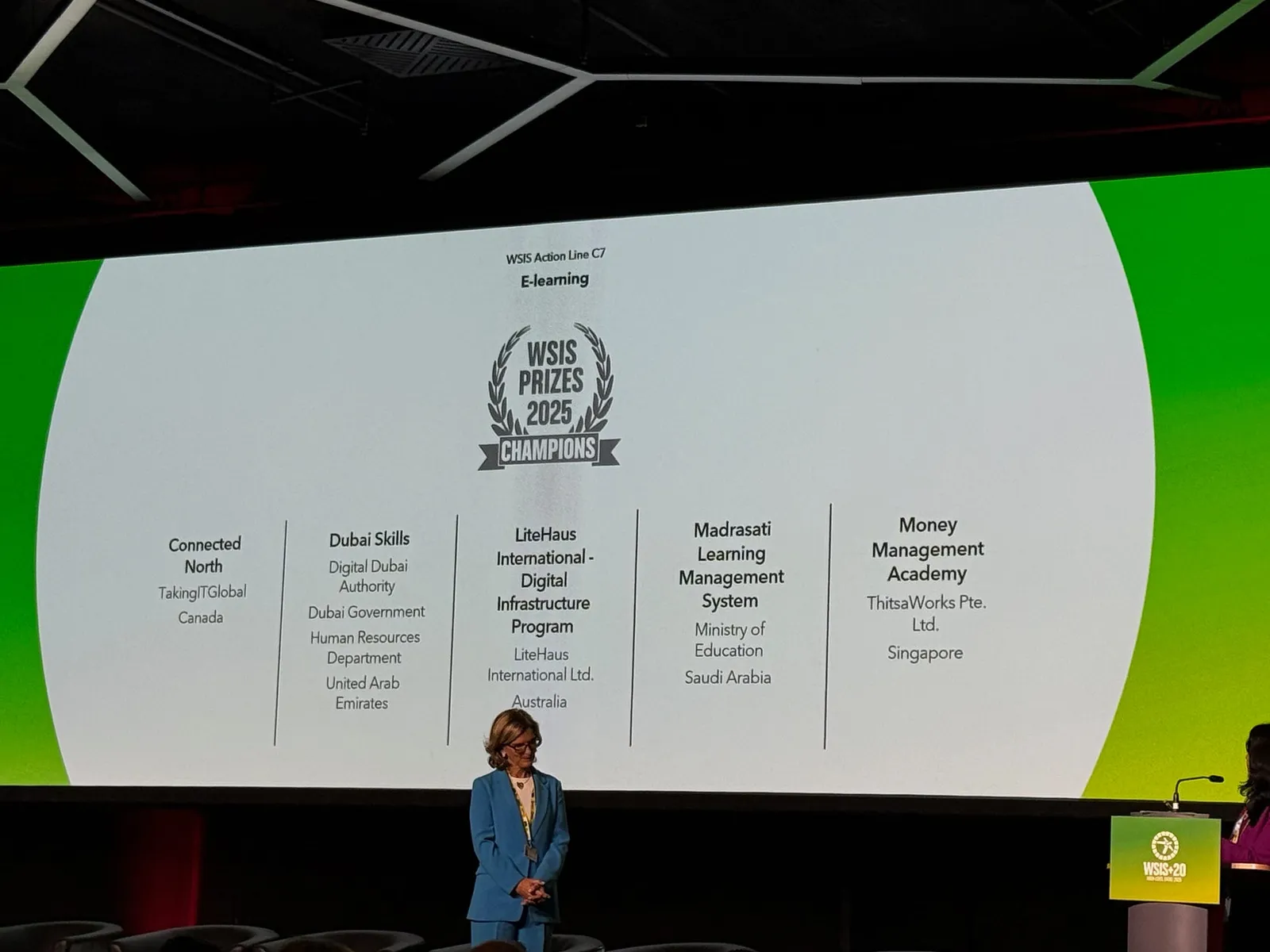
This week in Geneva, Switzerland at the World Summit on the Information Society (WSIS) +20 High-Level Event, Connected North has achieved a truly remarkable milestone as the only project selected from Canada — among 90 worldwide chosen from over 970 applications — to be recognized as a WSIS Prizes 2025 Champion. This honour and extraordinary recognition shines a spotlight on the importance of prioritizing investments in K-12 schools through enrichment learning opportunities and partnerships.
This recognition is a testament to the innovative approaches involving an ecosystem of partners who are working together to improve the lives of children and youth through public education and innovative digital learning resources that transform lives.
About the WSIS Prizes
The WSIS Prizes are among the most prestigious global honors in the field of information and communication technologies (ICTs) for development. Each year, the International Telecommunication Union (ITU) and its United Nations partners select outstanding projects that leverage technology to advance the Sustainable Development Goals (SDGs). In 2025, over a thousand projects from around the world competed for this recognition, with only 72 being named as Champions across 18 categories.
Why Connected North Was Recognized
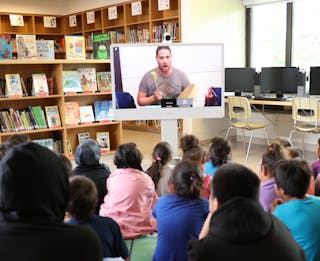
Connected North was recognized for its innovative approach to bridging educational gaps in remote Indigenous communities. Our program delivers live, interactive virtual learning experiences and provides access to educational resources for students and teachers in Canada’s North.
Some highlights that contributed to this achievement include:
- Serving over 200 schools in remote regions, fostering engagement and improved educational outcomes.
- Delivering more than 6,500 virtual sessions last year, connecting students with role models and experts from across the country.
- Customizing content to reflect the unique cultures, languages, and priorities of each participating community.
- Building relationships based on trust, respect, and collaboration with students, educators, and community leaders.
- Empowering Indigenous youth by providing access to opportunities that inspire hope and future pathways.
The Impact of Our Work
Our mission has always been to create equitable access to quality education, regardless of geography.
The WSIS Prizes Champion recognition affirms the impact of our work, including:
- Increased student engagement and motivation, with 96.5% of teachers reporting that Connected North sessions help to engage their students.
- Enhanced graduation rates and academic performance among participating students.
- Strengthened community partnerships and inclusion of diverse voices in program development.
Despite advances in technology and significant investments in connectivity, the digital divide remains a persistent issue in Canada. This divide refers to the gap between those who have reliable access to modern digital technologies — such as high-speed internet and digital literacy resources — and those who do not.
Who Is Affected?
The digital divide in Canada disproportionately impacts:
- Rural and remote communities: Only 62% of Canadians living in rural areas have access to broadband speeds of at least 50 Mbps download and 10 Mbps upload, compared to over 91% in urban areas.
- Indigenous peoples: Many Indigenous communities, particularly in remote regions, still lack adequate internet connectivity. 91% of households have access to high-speed internet — but on First Nations reserves, that number drops to just 43% (CRTC Communications Monitoring Report 2022)
- Low-income families: There is a strong correlation between household income and access to high-speed internet, with lower-income households less likely to have reliable connections or digital devices.
- Seniors, newcomers, and people with disabilities: These groups often face additional barriers related to affordability, digital skills, and accessible technology.
Key Barriers
- Geographic challenges: Canada’s vast and varied landscape makes it costly and logistically difficult to provide infrastructure in remote and northern regions.
- Affordability: The high cost of internet services and digital devices restricts access for many Canadians, especially those in marginalized communities.
- Digital literacy: Access alone is not enough — many Canadians lack the digital skills needed to fully benefit from online resources, education, and services.
- Cultural and linguistic relevance: Indigenous and minority communities often lack culturally relevant digital platforms and content, further widening the divide.
Impact on Canadians
The digital divide affects:
- Education: Students in underserved areas struggle to access online learning, putting them at a disadvantage compared to peers in well-connected regions.
- Economic opportunities: Limited connectivity restricts job prospects, entrepreneurship, and participation in the digital economy.
- Healthcare and social inclusion: Telehealth and online services are less accessible to those without reliable internet, impacting health outcomes and community engagement.
Efforts to Bridge the Gap
While government initiatives and targeted funding have improved access in some areas, significant gaps remain. Programs to expand broadband infrastructure, reduce costs, and promote digital literacy are ongoing, but continued investment and innovative solutions are needed to ensure all Canadians can participate fully in the digital world.
The digital divide in Canada is a complex, multi-faceted issue that continues to affect millions, especially in rural, remote, and marginalized communities. Addressing it requires a coordinated effort to improve infrastructure, affordability, digital skills, and the inclusivity of digital content.
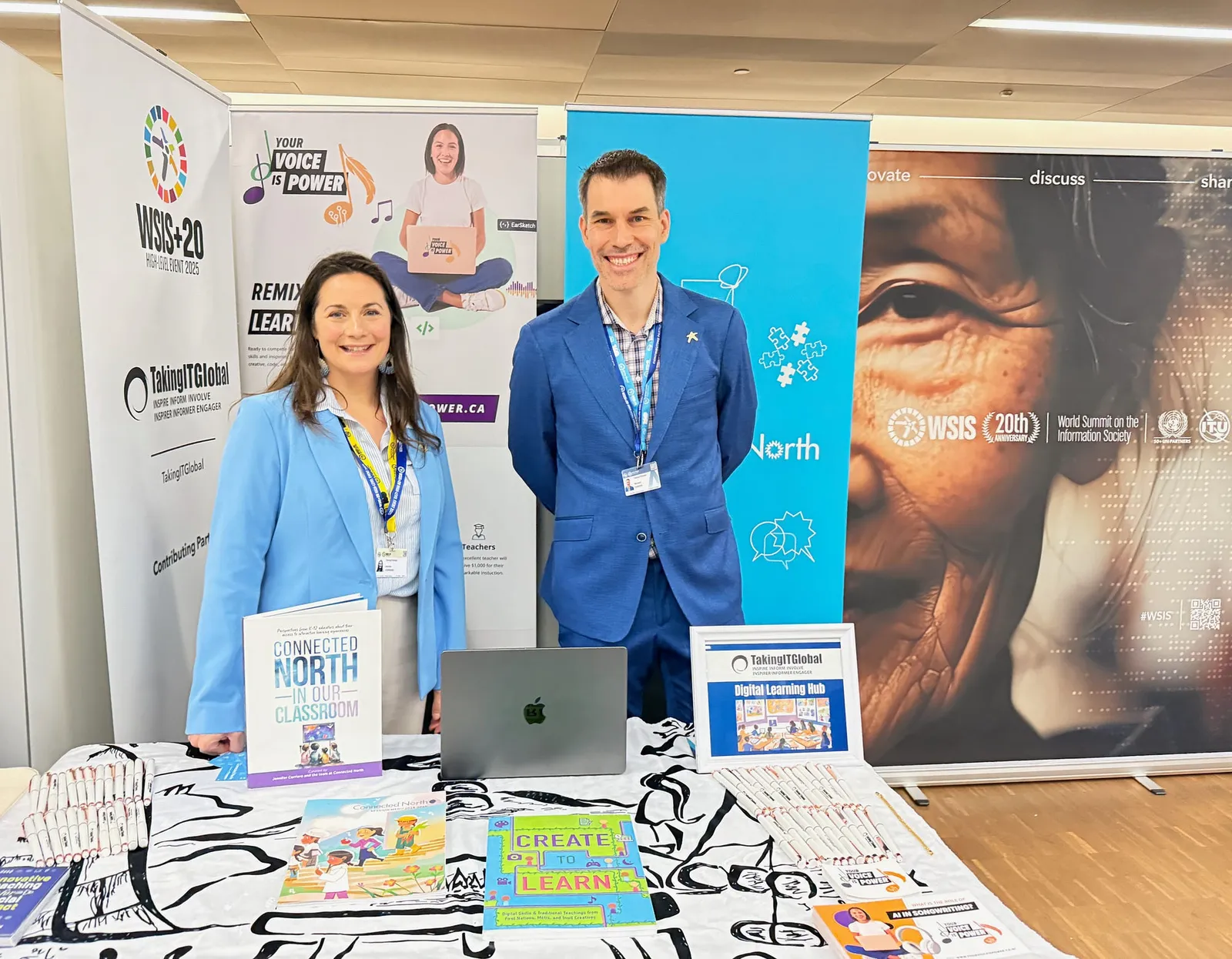
This recognition belongs to everyone who has contributed to Connected North’s journey — starting with the teachers and students who participate in live, virtual field trips. The program would not be possible without our network of content partners, funders, staff and contributing partners who inspire us every day. We are deeply grateful for your support and collaboration.
As we celebrate this milestone, we remain committed to expanding our reach, deepening our impact, and continuing to innovate in digital education for remote and Indigenous communities.
The WSIS Prize 2025 Champion award motivates us to keep striving for a future where every student has the opportunity to thrive.
Thank you for believing in the power of connection, community building and focusing on student well-being when utilizing digital technologies to improve educational opportunities.