
Panorama archive · Education
Shaping Education Through Student Voice
Originally published
“Learn what you need. Learn what you love. Learn who you are.” – Janet Coffey-Olson, Rosetown Central High School, Rosetown, Saskatchewan
Think back to your favourite subject in school. What was it? Most of us would probably say art or science, possibly even math or recess. But more important than what it was, is why. Why was it your favourite? Likely, it has something to do with the way you were able to learn— the process. For some reason when you were in that class, something just clicked. You were able to learn what you needed while simultaneously getting what you wanted. You were engaged.
So the question is, how do we partner with students to engage them at all levels of learning?
This is the question TakingITGlobal’s Empowering Student Voice in Education (ESVE) course believes can be answered by strengthening the role of student voice in the classroom.
During the course, educators explored the current state of student voice in their classrooms and strengthened student participation and engagement by facilitating collaborative and inclusive teaching methodologies. This was done through four distinct blended learning modules that led to the development of a student voice project co-designed by both teachers and students:
Exploring Voice
Transforming Learning Partnerships
Overcoming Challenges
Empowering Student Voice
Each module builds on the previous one by emphasizing the importance of collaborative and inquiry-based learning at all levels. While teachers support their students throughout learning process they also support each other through cluster-based meetings during the course sessions, and through various online discussions and blogs. The e-course allowed them to access ongoing resources as well as receive feedback and encouragement from other ESVE participants. According to our post-course survey, 93% of participants gained new knowledge and skills that has direct and practical value.
Many teachers also received support from administration and were granted release time from Superintendents to complete the course. These actions demonstrate the incredible commitment of all schools participating in ESVE and how important it is to everyone that student voices are heard in education!
There was a 95% increase, from 44% to 86%, in educators’ capacity to design student voice projects to meet curriculum goals and school policies.
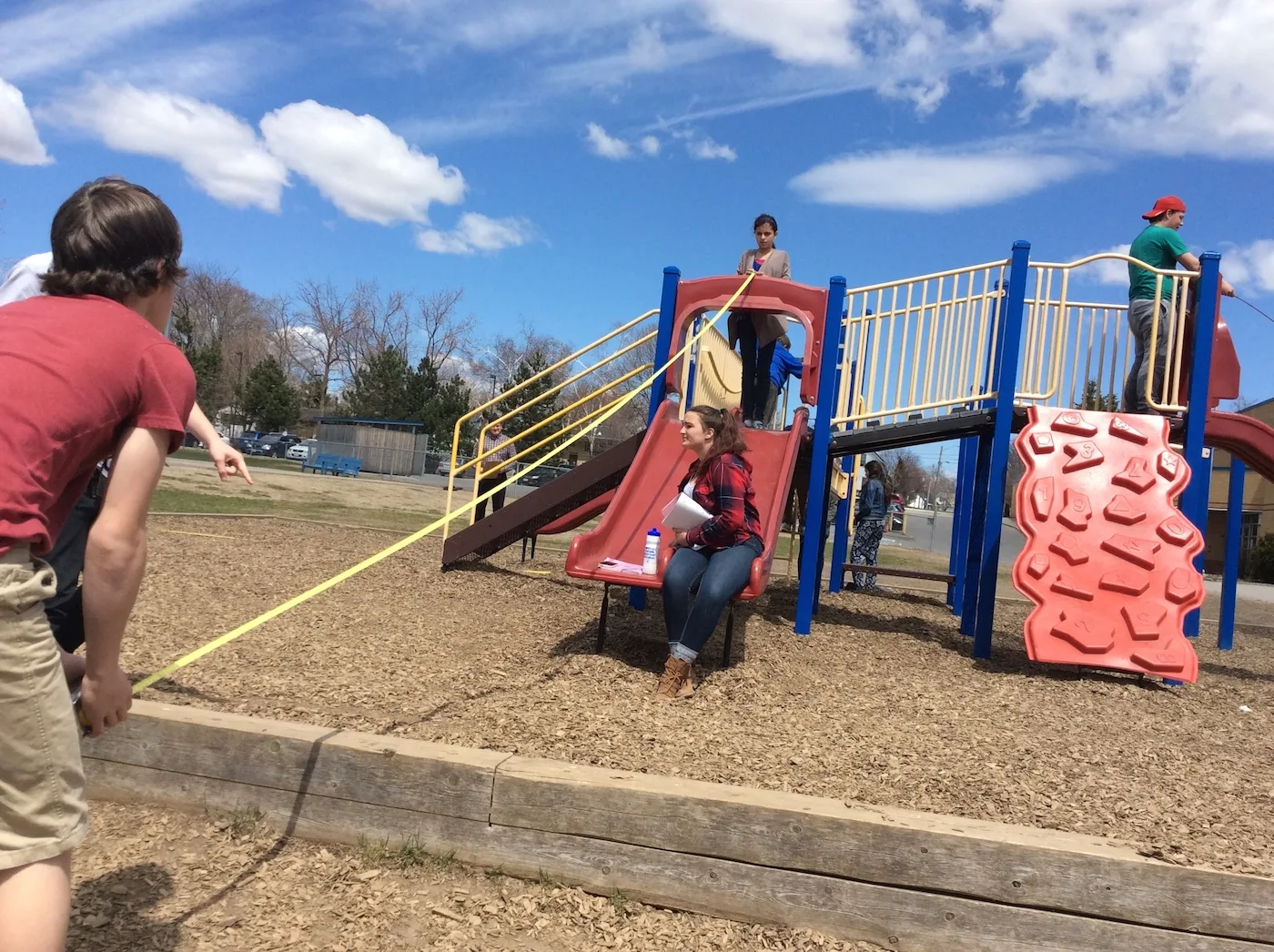
So, with the help and support of the course, their colleagues, and administration, teachers began co-developing classroom-based student voice projects that were informed by a student voice survey. Through this survey, which was adapted from our Future Friendly Schools assessment, students were able to share their perspectives on the state of student voice in their classrooms, which then formed the basis of selecting their own topics and building a project surrounding that particular issue. Some of the themes included environmental preservation, freedom and equality, and the promotion of healthy life choices.
As one teacher stated, “through this process students felt as though their education was something they were able to shape and control”. This gave them the power to be able to choose what was important for them to learn and enhanced overall student engagement.
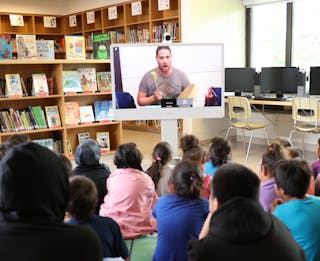
The culmination of the ESVE course led to our Student Voice National Showcase, held on June 3rd, 2015. This event gave teachers and students across Canada the opportunity to showcase the student voice projects they had been working on throughout the course.
Students and teachers alike were excited to share their experiences and offered tips and insights on how to foster an environment of inclusive education. For some schools student voices are introduced at many levels, while for others, student voice is focused in the classroom. Regardless, students are able to choose what is important for them to learn and address these issues in a collaborative and meaningful way.
More than anything, inclusive education is a positive experience for both students and educators. In the post-course survey, 77 percent of teachers expressed feeling comfortable utilizing student voice as a pathway for student success compared to 40 percent at the beginning of the course. This demonstrates the growing confidence of educators who took the course to support student voice and recognize it as an integral part of learning and engagement.
As one student expressed during her presentation, “Student Voice gave students a chance to express their feelings toward a social justice issue of their choice”. These projects were an opportunity for students to take charge of their learning and the results were extremely inspiring. You’re invited to view a listing of all projects
So excited to be getting going on our classroom #stuvoice project as part of @takingitglobal. Shaping learning envir. pic.twitter.com/1HvsjtTA8k
— Mitch Champagne (@MitchChampagne) March 30, 2015
But it doesn’t stop here! With 100 percent of participants intending to use this newly acquired knowledge, teachers and students have taken their projects and run with them. Whether it be implementing weekly “garbage free” lunches or offering a place for students at the school board decision-making level, these projects have begun to embed themselves in the culture and even policies of their schools.
We hope that these projects will spark inspiration for other students and schools across Canada as well. Thank you to our partners at the Waterloo Global Science Initiative (WGSI), who provided funding for this program as part of the follow-up from their Equinox: Learning 2030 summit.
We’d also like to thank the Canadian Education Association, Canadian School Boards Association, and C21 Canada, who all provided their endorsement of this initiative. A final thanks to our friend and advisor Tania Sterling from Pearson Canada, who provided valuable insight for us on strengths and areas to improve further through a thorough efficacy review of the program.
We want to hear from you! How are you providing space for student voice and choice in their learning environment? Would you like to bring this program to your school or district to grow your practice further?
Comment below or email us at education@takingitglobal.org to share your stories of student voice.