








Panorama archive · Education
International Day for Tolerance
Originally published
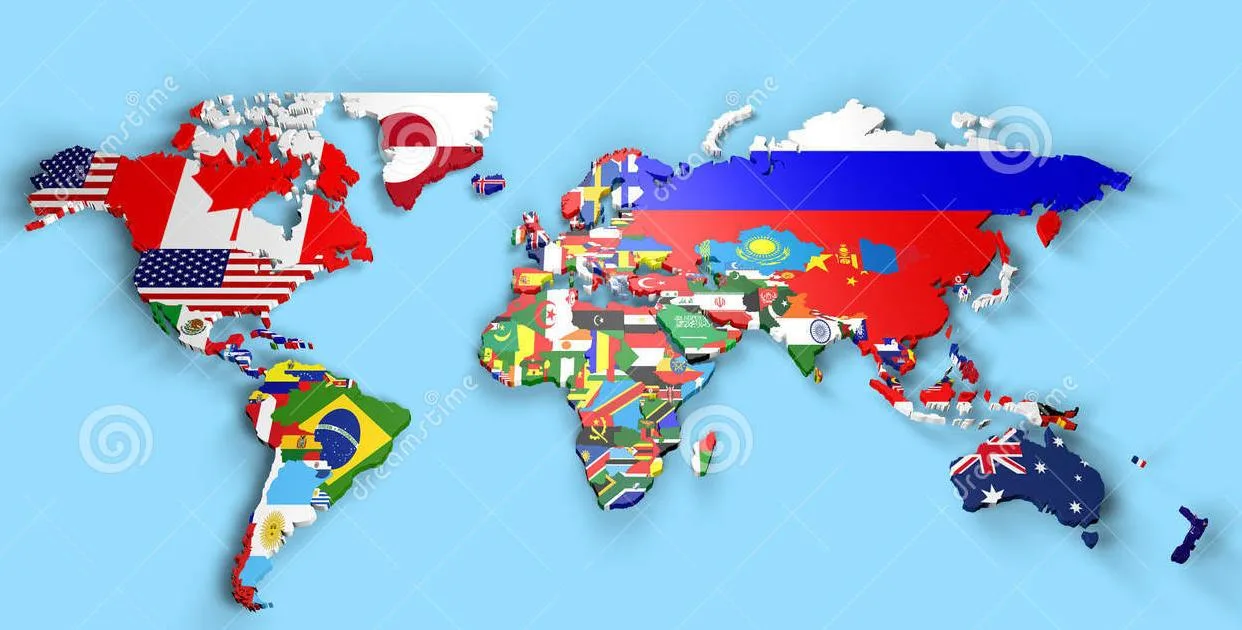
The multifarious phenomenon of Globalization has had a massive impact on people around the world from the bustling metropolises of the industrialized world to the most sparsely-populated hamlets of developing countries. It has resulted in high-frequency and high-intensity interaction among people from different backgrounds. This came about as a consequence of the recent advent of new communication technology which has enabled people not residing in geographically proximal places to exchange ideas, as well as the not-as-recent phenomenon of mass immigration that has resulted in significant demographic changes, especially in large cities. These changes necessitate an increased promotion of tolerance of differences among people because tolerance enhances trust, freedom of expression in society and provides learning opportunities for people.
When governments enact policies that protect the rights of minorities be they political, religious or sexual, this ensures there is a minimum level of trust that people can have in the society they constitute a part of. Trust is the glue that holds society together making it possible for its members to engage in economic and social exchanges secure in the knowledge that their fundamental rights will be respected. Without trust, members of society are likely to form homogenous clique-resembling sub-groups that are composed of people who trust one another but are otherwise suspicious of members of other sub-groups within the larger society. Societies where the value of tolerance is not promoted often experience constant tension that undermines its stability and distracts it from tackling problems that impact all of its members.
Tolerance is also inextricably linked to the value of freedom of expression and conscience. People are much less likely to voice dissenting views if they feel that they run the risk of being persecuted or ostracized. A society that compels its members to conformity, contributes to the creation of a culture of sedition that can metastasize in the shadows and bring about its demise. And a country that fails to guarantee its citizens the right to express their ideas no matter how divergent from mainstream views they may be, but otherwise allows for elections, can be described as a hollow democracy at best.
The preeminence of tolerance in a society presents many learning opportunities for its members. First, exposure to various viewpoints and cultures provides an enriching experience for members of society. Second, learning to accept others as people even when we disagree with their views allows us to focus on the content of their ideas and engage in conversation and debates. The resulting exchange of information can be mutually beneficial even if it doesn’t result in a party adopting another party’s views or modifying their own. When people recognize some of the merit in the arguments of others with whom they disagree, they feel the need to develop more complex arguments to affirm their own views.
In conclusion, fostering the value of tolerance results in enhanced levels of trust, promotes an atmosphere where freedom of expression is respected and encourages people to learn about others who are different from them. The benefits of tolerance do not have to be confined to the societies of different countries, but can rather be extended to the international community. The closer-than-before contact between people from different cultures, religions, and ideologies brought about by globalization makes this more necessary than it has ever been to avoid conflict and make something good of the anarchy that underpins the international system.